Microsoft’s AI Mantra: Intelligence Plus Trust is Key to Success
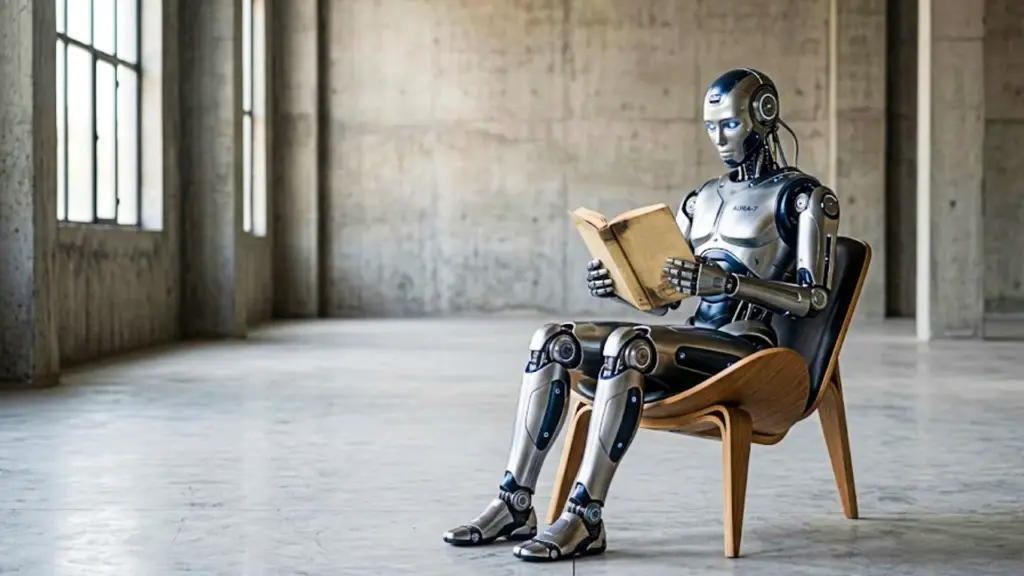
The AI Equation: More Than Just Smarts
The race to integrate Artificial Intelligence into every facet of business and life is well underway. Yet, amidst the breathless innovation and ambitious promises, a crucial question lingers: what truly constitutes success in the realm of AI? Microsoft, a major player in this domain, offers a surprisingly grounded perspective. Their recent post, “Achieving success with AI,” cuts through the hype by positing a simple yet profound formula: Intelligence + Trust.
This isn’t a new revelation for Microsoft; the company first articulated this principle at their Ignite conference. However, the ongoing conversations with customers have only solidified its importance. The core message is that building effective AI solutions requires more than just raw computational power or sophisticated algorithms. It demands a dual focus on making AI intelligent enough to deliver value and trustworthy enough for widespread adoption.
Quick Take
Microsoft argues that successful AI implementation hinges on two pillars: ‘Intelligence’ (the AI’s capability to perform tasks effectively) and ‘Trust’ (its reliability, security, and ethical operation). This framework is crucial for businesses looking to move beyond experimental AI to practical, impactful deployments.
What This Means
The emphasis on ‘Trust’ is particularly telling. As AI systems become more integrated into critical business processes and decision-making, concerns about their reliability, fairness, security, and ethical implications naturally rise. Microsoft’s acknowledgment suggests that the market is maturing, and potential adopters are moving past the ‘can it work?’ phase to the ‘should we use it?’ and ‘how do we use it responsibly?’ stages.
The blog post indicates that customers are raising consistent topics regarding AI adoption, revolving around whether AI will amplify human capabilities, enhance productivity, and foster innovation. These are positive aspirations, but they are directly contingent on the AI being both intelligent enough to contribute meaningfully and trustworthy enough to be deployed without undue risk.
Why It Matters
For any organization considering AI, this framework provides a practical lens through which to evaluate potential solutions and vendors. It moves the conversation beyond technical specifications to the fundamental requirements for practical, sustainable AI integration. The distinction is important: a highly intelligent AI that cannot be trusted due to bias, security flaws, or unpredictable behavior will ultimately fail to achieve success.
Conversely, a perfectly trustworthy system that lacks the intelligence to provide meaningful assistance will also fall short.
This approach also signals a broader trend in the tech industry. As AI becomes more pervasive, the ethical and security dimensions are no longer afterthoughts but central to product development and customer acceptance. Companies that can demonstrably build and maintain trust alongside intelligence will likely gain a significant competitive advantage. This is especially relevant given the increasing scrutiny on AI development and deployment, as seen in regulatory discussions and public discourse.
Practical Impact for Readers
If you’re evaluating AI tools or platforms for your business, ask pointed questions about both intelligence and trust. For intelligence, consider the AI’s accuracy, its ability to handle complex tasks, and its potential for continuous learning and improvement. For trust, probe into data privacy policies, security measures, explainability of AI decisions (where applicable), and the vendor’s commitment to ethical AI principles.
Don’t be swayed solely by impressive demos; look for evidence of solid, secure, and responsible AI.
This also means that the onus isn’t solely on AI vendors. Organizations implementing AI must also invest in understanding their AI systems, establishing clear governance, and training their workforce to use AI tools responsibly. The success of AI is a shared responsibility.
Limitations, Risks, and Unanswered Questions
While ‘Intelligence + Trust’ provides a solid foundation, the practical application can be complex. Defining and measuring ‘trust’ in AI is an ongoing challenge. What constitutes acceptable risk? How can bias be effectively mitigated in complex models? The blog post, being a high-level statement of principle, doesn’t look at the granular technical or policy details required to achieve this balance.
Furthermore, the rapid evolution of AI means that what is considered ‘trustworthy’ today may need re-evaluation as new vulnerabilities or capabilities emerge. The specific mechanisms and ongoing efforts Microsoft is undertaking to ensure this balance are not detailed, leaving room for further inquiry into their implementation.
Frequently Asked Questions
What are the two key elements for AI success according to Microsoft?
Microsoft identifies ‘Intelligence’ and ‘Trust’ as the two most important elements for achieving success with AI solutions.
Why is ‘Trust’ as important as ‘Intelligence’ in AI?
Trust is crucial because as AI systems become more integrated into critical functions, users and organizations need assurance regarding their reliability, security, fairness, and ethical operation. An AI that is not trusted, regardless of its intelligence, will not be adopted or will lead to significant risks.
What are common customer concerns about AI adoption?
Customers are concerned about whether AI will amplify human capabilities, enhance productivity, and foster innovation. These concerns are directly linked to the perceived intelligence and trustworthiness of the AI solutions.
Leave a Reply