Gaming Hardware Crunch: What Device Are You Actually Using?
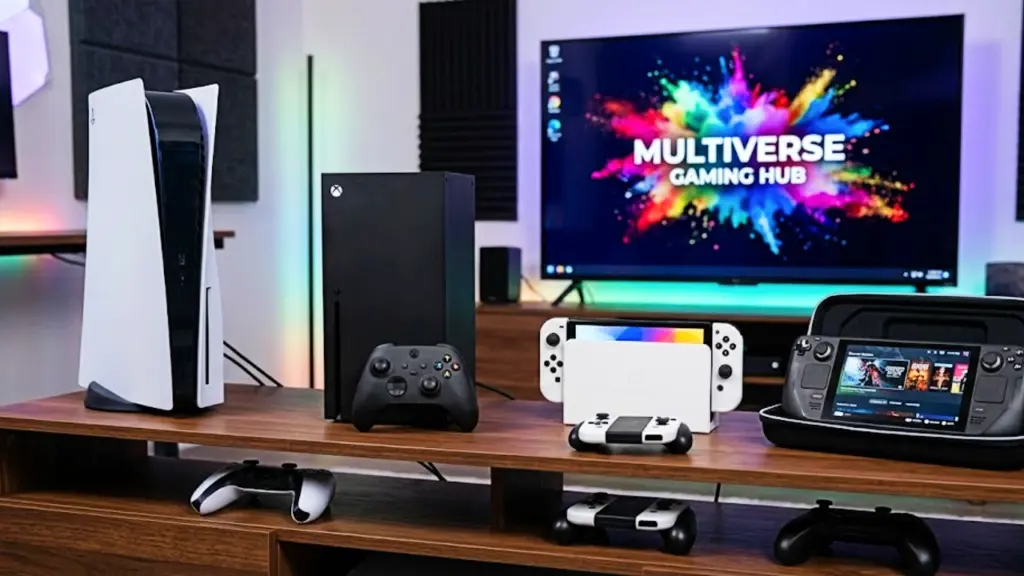
The gaming hardware market has been a bumpy ride this decade. Supply chain issues, exacerbated by events like the COVID-19 pandemic and the cryptocurrency boom, have driven up prices for everything from GPUs to consoles. This has, in turn, impacted the cost of gaming on smartphones, tablets, PCs, and dedicated gaming devices. A recent poll highlights the ongoing debate about which platform reigns supreme for gamers amidst these challenges.
What’s Happening?
The gaming industry, a sector that saw a surge in activity during the early days of the COVID-19 pandemic, is now grappling with a series of economic and supply chain disruptions. The initial slowdown in the production of next-generation consoles like the PlayStation 5 and Xbox Series X has been compounded by various factors. The insatiable demand for graphics processing units (GPUs) during the cryptocurrency mining craze effectively vacuumed up available stock, making PC gaming significantly more expensive.
 Product image
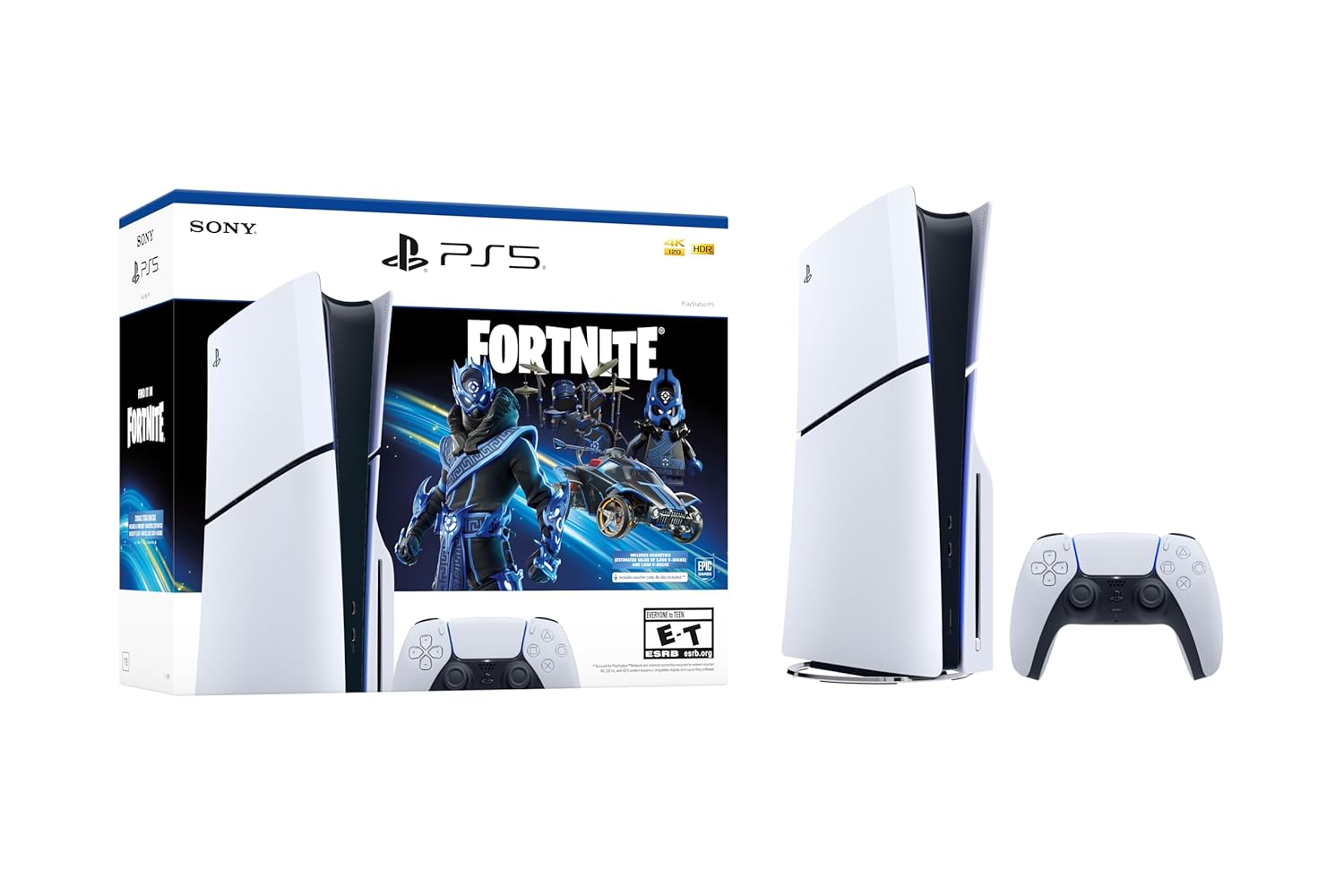
PlayStation PS5 Console
A next-generation gaming console with stunning graphics, fast performance, and immersive gameplay.
- ✔️ Powerful AMD Ryzen CPU & RDNA 2 graphics
- ✔️ 4K gaming with up to 120 FPS support
- ✔️ Ultra-fast SSD for quick loading times
- ✔️ Ray tracing for realistic visuals
- ✔️ DualSense controller with haptic feedback
- ✔️ HDR and 3D audio support
Product details are provided by the site editor. Check Amazon for the latest price and availability.
More recently, the burgeoning field of artificial intelligence has created a new demand for RAM chips, further tightening supply chains and contributing to price increases across the board.
These pressures are not confined to high-end PCs. Consumers looking for dedicated gaming experiences are also feeling the pinch. High-profile products such as the PlayStation 5, Xbox Series X/S, Valve’s Steam Deck, and the Nintendo Switch have all seen price hikes or experienced scarcity. This ripple effect extends to gaming services as well; Microsoft’s attempt to increase the price of its Game Pass subscription service was met with considerable backlash from its user base, forcing a reconsideration of the proposed change.
Why It Matters
The current state of the gaming hardware market is more than just a temporary inconvenience for enthusiasts; it reflects broader economic trends and technological shifts. The interconnectedness of the tech supply chain means that demand for components in one sector, like AI-driven research, can directly impact availability and cost in another, like consumer gaming.
This highlights the fragility of global manufacturing and the complex interplay between different technological frontiers.
For consumers, this translates into a more challenging and potentially more expensive hobby. The dream of easily acquiring the latest console or a powerful gaming PC is increasingly out of reach for many. This situation forces gamers to make difficult choices, perhaps delaying upgrades, opting for older hardware, or shifting their gaming habits. The rising cost of entry could also impact the growth of PC and console gaming communities, potentially leading to a greater reliance on mobile gaming, which, while also affected by component costs, often presents a lower barrier to entry.
 Product image
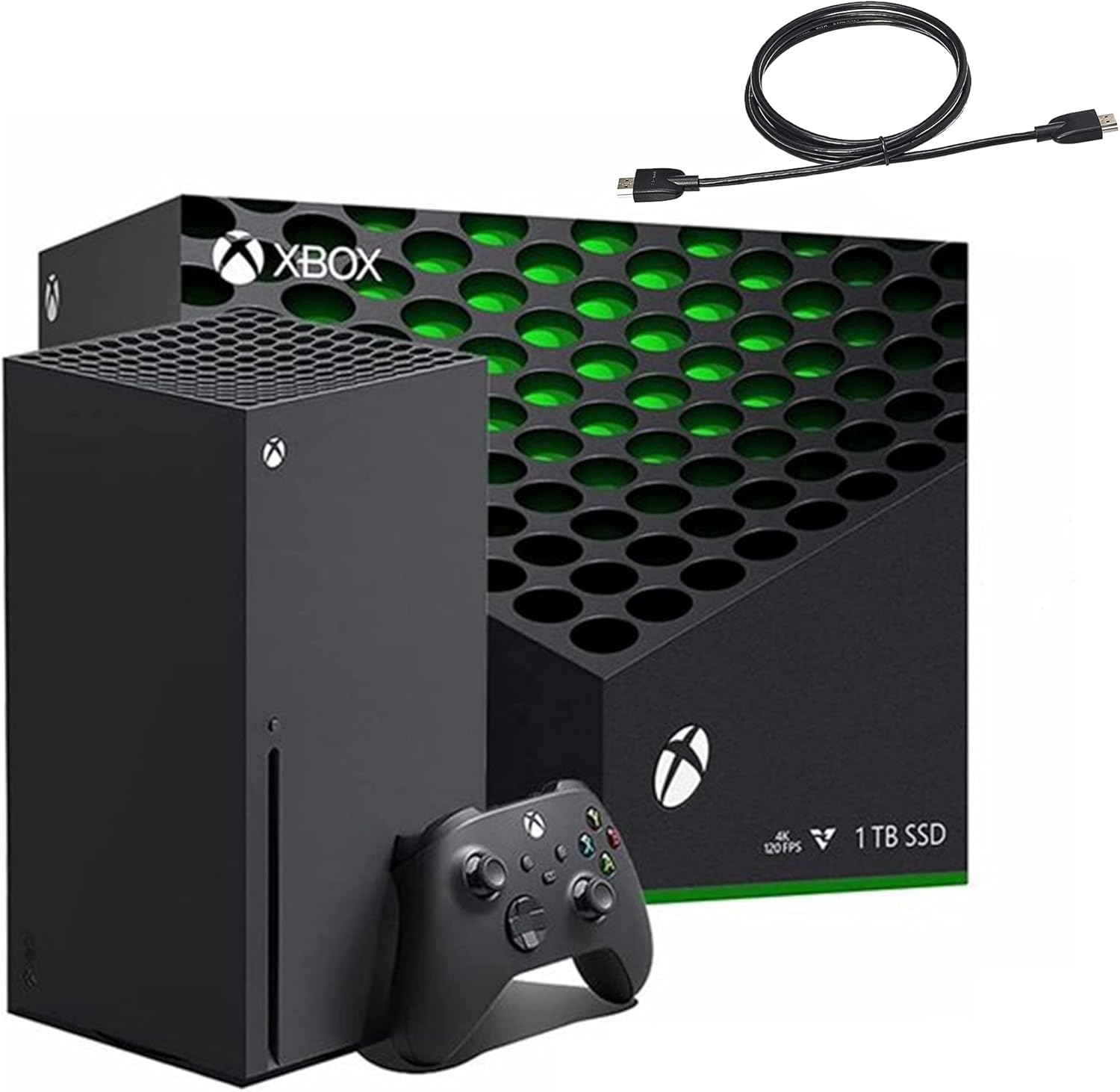
Xbox Series X 1TB
A high-performance gaming console built for fast loading, stunning graphics, and smooth next-gen gaming.
- ✔️ Powerful AMD Zen 2 CPU & RDNA 2 graphics
- ✔️ True 4K gaming with up to 120 FPS
- ✔️ 1TB ultra-fast NVMe SSD storage
- ✔️ Ray tracing for realistic lighting and visuals
- ✔️ Quick Resume for seamless game switching
- ✔️ Dolby Vision and Dolby Atmos support
Product details are provided by the site editor. Check Amazon for the latest price and availability.
Furthermore, the pricing strategies of major players like Microsoft, as seen with Game Pass, indicate a sensitivity to consumer sentiment in a market where value for money is paramount. The pushback against price increases suggests that gamers are increasingly discerning about subscription costs, especially when hardware availability and affordability are already concerns. This could influence future pricing models and service offerings across the industry.
Practical Impact for Readers
If you’re looking to upgrade your gaming setup, whether it’s a new console, a gaming PC, or even a more powerful smartphone for mobile gaming, expect to pay more than anticipated. The increased costs for components like GPUs and RAM mean that building a new PC or buying a new console could be a significant investment. The availability of popular consoles like the PS5 and Xbox Series X/S may also remain unpredictable.
For mobile gamers, while the barrier to entry is lower, the cost of flagship smartphones capable of running demanding games has also risen.
This situation encourages a more pragmatic approach to gaming. Consider whether your current hardware can still meet your needs. Exploring the vast libraries of older generation games or focusing on less graphically intensive titles might be a more budget-friendly option. For those committed to PC gaming, carefully monitoring component prices and considering pre-built systems from reputable manufacturers might offer better value than piecing together a build yourself during this volatile period.
The rise of cloud gaming services could also become a more attractive alternative for those seeking high-end gaming experiences without the upfront hardware cost, though reliable internet is a prerequisite.
 Product image
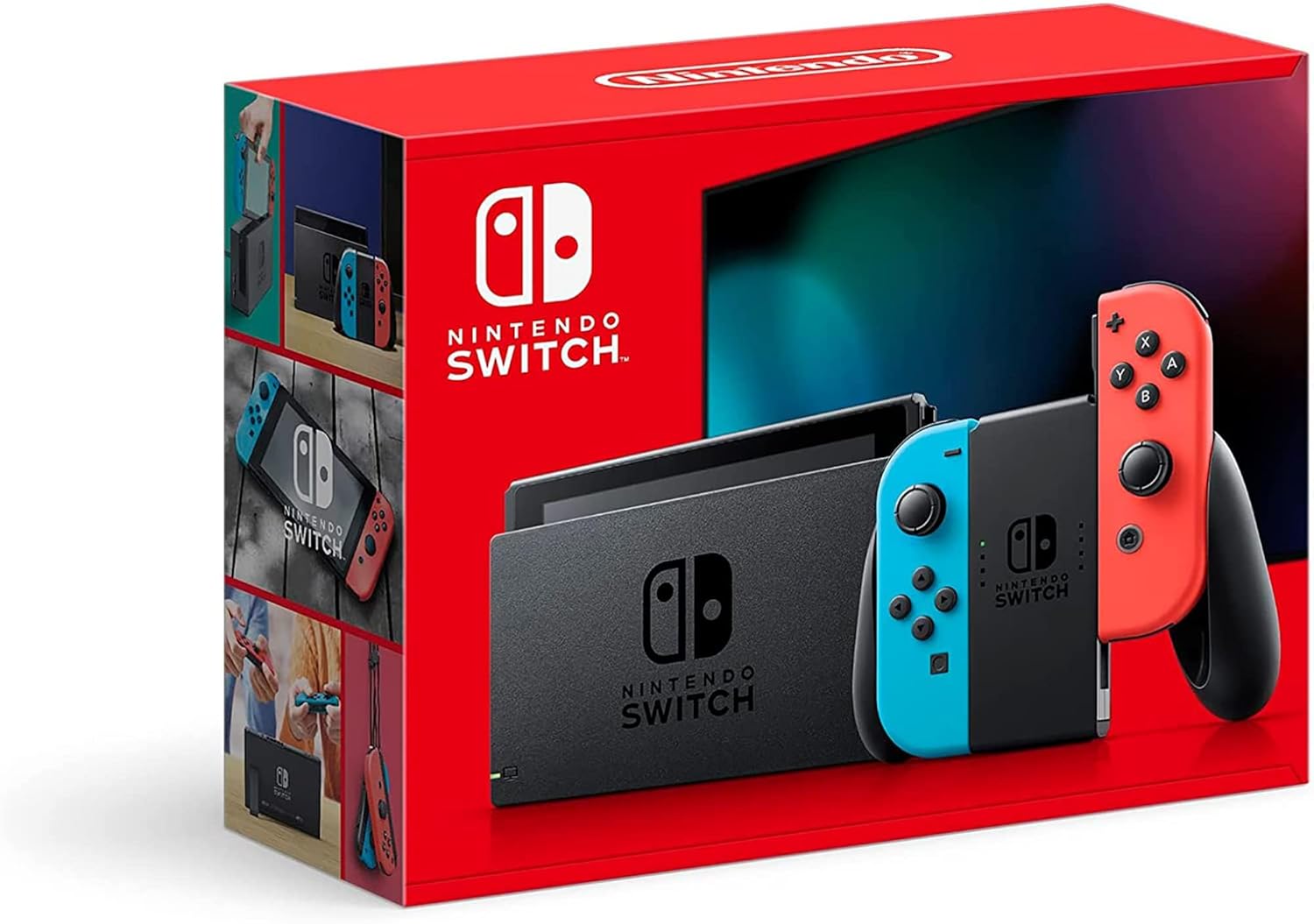
Nintendo Switch Console
A versatile gaming console that lets you play at home or on the go with iconic Nintendo games.
- ✔️ Play in handheld, tabletop, or TV mode
- ✔️ Detachable Joy-Con controllers
- ✔️ Large library of exclusive Nintendo games
- ✔️ Local and online multiplayer support
- ✔️ Lightweight and portable design
- ✔️ Up to 9 hours of battery life
Product details are provided by the site editor. Check Amazon for the latest price and availability.
Limitations and Unanswered Questions
While the source material outlines the broad strokes of the gaming hardware market’s challenges, several details remain unclear. The exact percentages of price increases for specific consoles or components are not provided, making it difficult to quantify the financial impact precisely. The poll itself, mentioned in the source, is not detailed, leaving us without specific data on what devices gamers are actually using.
We don’t know the breakdown of how many gamers prefer smartphones versus PCs versus consoles, or if there’s a significant segment using tablets or other devices.
Furthermore, the long-term implications of these supply chain issues and price hikes are yet to be fully understood. Will the market stabilize in the coming year? Will manufacturers find ways to mitigate rising component costs? How will the increasing demand for AI-related hardware continue to affect consumer electronics? The source also hints at other high-profile products affected by price increases beyond the PS5, Xbox, Steam Deck, and Switch, but does not name them, leaving a gap in our understanding of the full scope of the market impact.
Key Facts
- The gaming market has faced challenges throughout the decade.
- Supply chain disruptions have affected the rollout of consoles like the PlayStation 5 and Xbox Series X.
- The cryptocurrency boom led to a shortage of available GPUs.
- Artificial intelligence development has increased demand for RAM chips.
- Prices for high-profile gaming products like the PS5, Xbox, Steam Deck, and Nintendo Switch have increased.
- Microsoft initially planned to raise the price of Game Pass but retracted the decision due to user complaints.
Frequently Asked Questions
What factors have contributed to the current state of the gaming hardware market?
The gaming hardware market has been impacted by a confluence of factors including supply chain disruptions from the COVID-19 pandemic, increased demand for GPUs driven by cryptocurrency mining, and a recent surge in demand for RAM chips due to the growth of artificial intelligence development. These issues have led to shortages and price increases for consoles, PCs, and components.
Have all gaming devices become more expensive?
Yes, the source indicates that PCs and consoles have been affected by rising prices. High-profile products such as the PlayStation 5, Xbox Series X/S, Steam Deck, and Nintendo Switch have all seen price increases. While not explicitly detailed for smartphones, the general trend of rising component costs suggests that smartphones, including those used for gaming, have also likely seen price impacts.
Why did Microsoft reconsider its Game Pass price increase?
Microsoft reportedly changed its mind about raising the price of Game Pass after facing significant complaints from its user base. This suggests that consumers are sensitive to pricing changes, especially in an environment where hardware costs are already a concern.
Leave a Reply