Google Fi Wireless: Ready for Your Next International Trip?
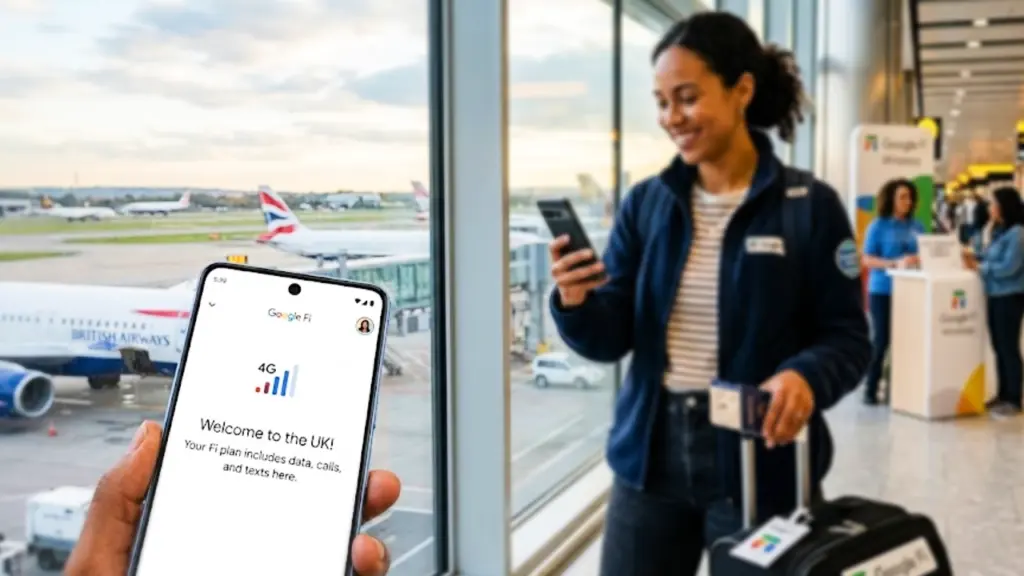
Get Travel-Ready with Google Fi Wireless
For many, the prospect of navigating international travel can be daunting, and that often extends to staying connected. Keeping your phone working abroad used to mean expensive roaming charges or fiddling with local SIM cards. Google is making a renewed push to position its Google Fi Wireless service as a convenient solution for international travelers, emphasizing its built-in features for global connectivity and even hinting at 5G coverage in more places.
This isn’t entirely new territory for Google Fi. The service has long advertised its international capabilities as a key selling point, often contrasting it with the more restrictive plans of traditional carriers. The latest announcement, however, seems to be a refresh and perhaps an expansion of these offerings, aiming to capture a larger segment of the travel market. But for practical purposes, what does this really mean for someone packing their bags?
Quick Take
Google Fi Wireless is promoting its international travel features, suggesting it simplifies staying connected abroad with built-in coverage and potentially faster speeds. While convenient for existing users, travelers should still verify coverage in their specific destinations and be aware of potential limitations compared to local SIMs or dedicated travel eSIMs.
What’s New with Google Fi International?
Google’s recent communication focuses on making international travel easier for its subscribers. The core promise is that Google Fi is designed to work in over 200 countries and territories. For many of these locations, the service offers unlimited international data and texting at no extra cost. This is a significant benefit, as it eliminates the need to purchase separate international plans or local SIM cards for basic communication and data needs.
The implication is that you can land in a new country and your phone should just work, allowing you to use maps, communicate with people, and access information without immediate worry about exorbitant fees.
Furthermore, Google is highlighting its expanding 5G coverage. While 5G availability internationally has been a patchwork, Google is indicating that more destinations are coming online. This suggests that for travelers in supported areas, they might experience faster data speeds than previously possible with older technologies on the Fi network abroad. This could translate to quicker downloads, smoother video calls, and a more responsive online experience.
Why It Matters for Travelers
The primary value proposition here is simplicity and cost predictability. For frequent international travelers, especially those who have experienced the hassle of acquiring local SIM cards or the shock of surprise roaming charges, Google Fi’s approach is appealing. The ability to use your existing number and have data readily available across a vast number of countries without incurring significant extra costs can reduce a major point of friction when traveling.
This is particularly relevant in an era where mobile connectivity is almost a necessity for navigation, booking accommodations, and staying in touch with family and friends.
The emphasis on 5G, where available, is also a practical consideration. While not everyone needs the absolute fastest speeds, having access to 5G can improve the usability of data-intensive applications. Imagine trying to download offline maps, stream a crucial piece of information, or participate in a video call while on the go – faster speeds make these tasks less frustrating.
For users who rely heavily on their phones for work or staying connected, this is a tangible benefit.
This move also positions Google Fi as a more direct competitor to other international connectivity solutions. While dedicated travel eSIM providers offer flexibility, they often require pre-planning and switching profiles. Traditional carriers are increasingly offering their own international packages, but these can sometimes be expensive or have limitations.
Google Fi is attempting to carve out a middle ground: a primary carrier with solid international features baked in.
Practical Impact and Considerations
For existing Google Fi customers, this news is straightforward: your plan likely already covers international use in many places, and you might benefit from expanded 5G. It means you can continue using your phone with less worry when you travel.
For those considering switching to Google Fi specifically for international travel, the decision requires a bit more nuance. The ‘unlimited’ data abroad, while a huge plus, often comes with a caveat. After a certain amount of high-speed data usage (which varies by plan and is not detailed in the source material), speeds may be reduced. This is a standard practice for many mobile plans, but it’s crucial for travelers to understand these thresholds to avoid unexpected slowdowns.
The exact amount of high-speed data available internationally before throttling is a key detail not explicitly provided in the announcement.
Furthermore, while Google Fi partners with various networks globally, the actual user experience can depend on the specific local partner network in each country. Coverage and speeds can fluctuate. It’s always advisable to check Google Fi’s coverage map for your specific destination. The mention of 5G is also important; while Google is expanding it, 4G LTE remains the backbone in many regions.
Travelers should temper expectations if they are heading to areas where 5G infrastructure is still nascent.
Another factor is device compatibility. While Google Fi generally works with a wide range of unlocked phones, some features, especially those related to network switching and optimal performance, are best experienced on ‘Designed for Fi’ phones, such as Google’s own Pixel devices. Travelers should ensure their device is fully compatible for the best experience.
Limitations and Unanswered Questions
The biggest question mark for many will be the specific data caps for high-speed international data before throttling occurs. While ‘unlimited’ is a great marketing term, the reality of reduced speeds after a certain usage threshold can impact heavy data users. The source material doesn’t provide these figures.
What is the exact list of countries with 5G coverage, and what are the speeds users can expect? Google’s announcement is general, and specific details for each region would be beneficial for travelers planning their connectivity needs. Is the 5G truly comparable to what users experience domestically, or is it a more limited offering?
While Google Fi partners with numerous carriers worldwide, the quality of service can vary significantly based on these partnerships. Are there any countries where the experience is known to be particularly poor or where users have reported issues? Transparency on these potential weak spots would be valuable.
Finally, for users who need truly unlimited high-speed data without any throttling, or those who require specific local network features, a local SIM or a specialized travel eSIM might still be a better option. Google Fi offers convenience, but it might not be the absolute best performance or data allowance for every single use case or every single destination.
Key Facts
- Google Fi Wireless offers service in over 200 countries and territories.
- Many international destinations include unlimited data and texting at no extra cost.
- Google is expanding 5G coverage internationally for Google Fi users.
- The service aims to simplify international connectivity by avoiding extra charges and the need for local SIMs.
- High-speed data allowances abroad may be subject to throttling after a certain usage threshold.
Frequently Asked Questions
Does Google Fi work everywhere internationally?
Google Fi Wireless provides service in over 200 countries and territories. While this covers most popular travel destinations, it’s always recommended to check Google Fi’s coverage map for your specific destination to confirm service availability and network partners.
Is international data on Google Fi truly unlimited?
Google Fi offers unlimited international data and texting in many countries. However, like many mobile plans, there may be a threshold for high-speed data usage abroad before speeds are reduced. The exact amount of high-speed data available before throttling is not detailed in the announcement.
Do I need a special phone for Google Fi international travel?
While Google Fi works with many unlocked phones, ‘Designed for Fi’ phones, such as Google Pixel devices, are optimized for the network and may offer the best experience, especially for features like network switching and accessing specific technologies like 5G.
How does Google Fi compare to buying a local SIM card?
Google Fi offers convenience by allowing you to use your existing number and plan without needing to swap SIMs or buy local ones. However, a local SIM might sometimes offer better local rates or more high-speed data for a specific country, especially if you’re a heavy data user and plan to stay in one region for an extended period.
Leave a Reply