India’s Telegram Ban: A Blunt Tool for Exam Fraud?
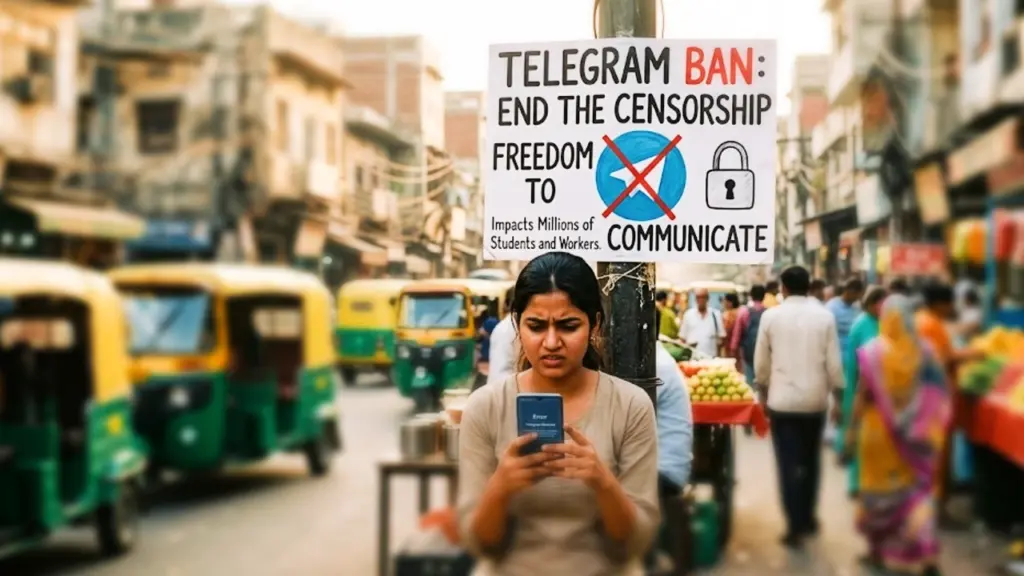
India’s Telegram Ban: A Blunt Tool for Exam Fraud?
In a move that underscores the challenges governments face in policing online activities, India has opted for a temporary ban on the popular messaging app Telegram. The stated reason? To curb widespread exam fraud.
Quick Take
While the intent to stop exam cheating is understandable, a blanket ban on a widely used communication tool like Telegram is a blunt instrument. It raises questions about proportionality, the effectiveness of such measures, and the broader implications for digital freedom and platform accountability in India.
What Happened
According to reports, India’s government has initiated a temporary blocking of access to Telegram. The catalyst for this action appears to be the app’s alleged role in facilitating fraudulent activities related to examinations. This suggests that Telegram’s encrypted channels and large group functionalities may have been exploited by individuals or groups seeking to leak exam papers or otherwise compromise the integrity of the testing process.
Why It Matters
The integrity of educational systems is paramount for any nation’s future. When exams are compromised, it erodes public trust, disadvantages legitimate students, and devalues qualifications. In a country like India, where competitive examinations are a critical gateway to higher education and employment, ensuring a fair process is of utmost importance. This situation highlights a recurring challenge for authorities: how to combat illicit online activities without unduly restricting legitimate digital communication.
The decision to ban Telegram, even temporarily, signals a willingness to take decisive, albeit potentially disruptive, action when perceived threats to public institutions are significant.
Furthermore, this incident feeds into a larger global conversation about the responsibilities of large technology platforms. Governments worldwide are grappling with how to hold companies accountable for the misuse of their services, especially those offering end-to-end encryption. While encryption is vital for privacy and security, it can also be a shield for criminal activity.
India’s action, however temporary, adds another data point to the debate on whether platform design and content moderation policies are sufficient, or if more coercive measures are sometimes deemed necessary.
Practical Impact for Readers
For users in India, the immediate impact is the inability to access Telegram. This disrupts personal communication, professional coordination, and access to information shared through the platform. Users may need to find alternative messaging services, which could lead to fragmentation of communication networks. For businesses and organizations that rely on Telegram for communication or distribution, this ban can cause significant operational disruptions.
Beyond the direct user impact, this event could signal a more stringent regulatory environment for digital platforms operating in India. It might prompt users and businesses to reconsider their reliance on services that could face sudden access restrictions. This also raises questions for developers and platform providers about how to balance user privacy features with the demands of law enforcement and national security.
Limitations, Risks, and Unanswered Questions
The effectiveness of a temporary ban as a long-term solution is questionable. Determined individuals can often find ways around such blocks, using VPNs or other circumvention tools. This means the ban might be more of a symbolic gesture or a short-term disruption rather than a permanent fix.
Moreover, the decision to ban Telegram, a platform used by millions for legitimate purposes, is a drastic step. It raises concerns about freedom of expression and access to information. Is this a proportionate response to the problem of exam fraud? Are there less restrictive measures that could have been employed, such as targeted action against specific fraudulent groups or closer collaboration with Telegram to identify and disable such channels?
The source material does not provide details on the specific exam(s) affected, the scale of the fraud, or the evidence presented to justify the ban. It also doesn’t specify the duration of the temporary ban or the conditions under which it would be lifted. The extent of Telegram’s cooperation or communication with Indian authorities prior to the ban is also unclear.
Key Facts
- India has ordered a temporary ban on access to the Telegram messaging app.
- The government’s stated reason for the ban is to address concerns over exam fraud.
- The ban is intended to be temporary, but specific details on its duration or lifting conditions are not provided.
- The move highlights the ongoing challenge of balancing digital communication freedoms with the need to maintain the integrity of public institutions.
Frequently Asked Questions
What is the primary reason for India’s temporary ban on Telegram?
India has ordered a temporary ban on Telegram to combat alleged exam fraud facilitated through the platform.
How long will the Telegram ban in India last?
The source material indicates the ban is temporary, but does not specify its duration or the conditions for its removal.
Are there alternatives to Telegram for users in India?
Yes, there are numerous alternative messaging applications available, such as WhatsApp, Signal, and others, though users may experience communication fragmentation.
What are the potential downsides of this ban?
Potential downsides include disruption to legitimate user communication, concerns about freedom of expression, and the possibility that determined individuals can circumvent the ban, limiting its long-term effectiveness.
Leave a Reply