Samsung Galaxy Watch Ultra (2025) LTE 47mm Review: The Tough Android Contender
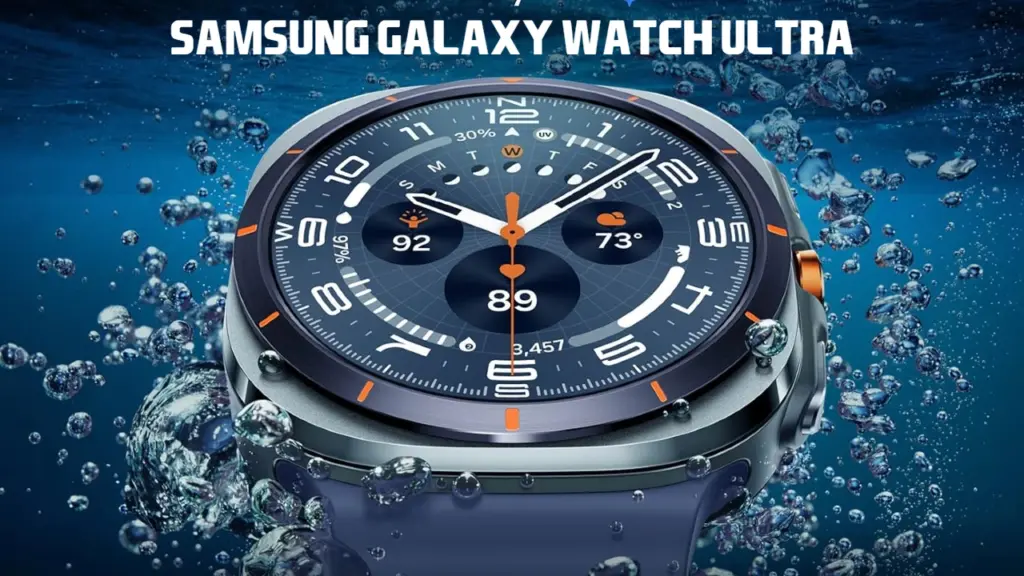
Alright, let’s cut to the chase. Samsung’s finally thrown its hat into the rugged smartwatch ring with the Galaxy Watch Ultra (2025) LTE 47mm. This isn’t just another Galaxy Watch with a slightly beefier case; Samsung is clearly aiming this at the folks who push their gear to the limit – hikers, runners, divers, and anyone who needs a smartwatch that can keep up without flinching.
We’re talking titanium, a big battery, and all the fancy sensors you’d expect. But does it actually deliver on that promise, especially when stacked against the competition? Let’s find out.
Recommended Amazon Picks
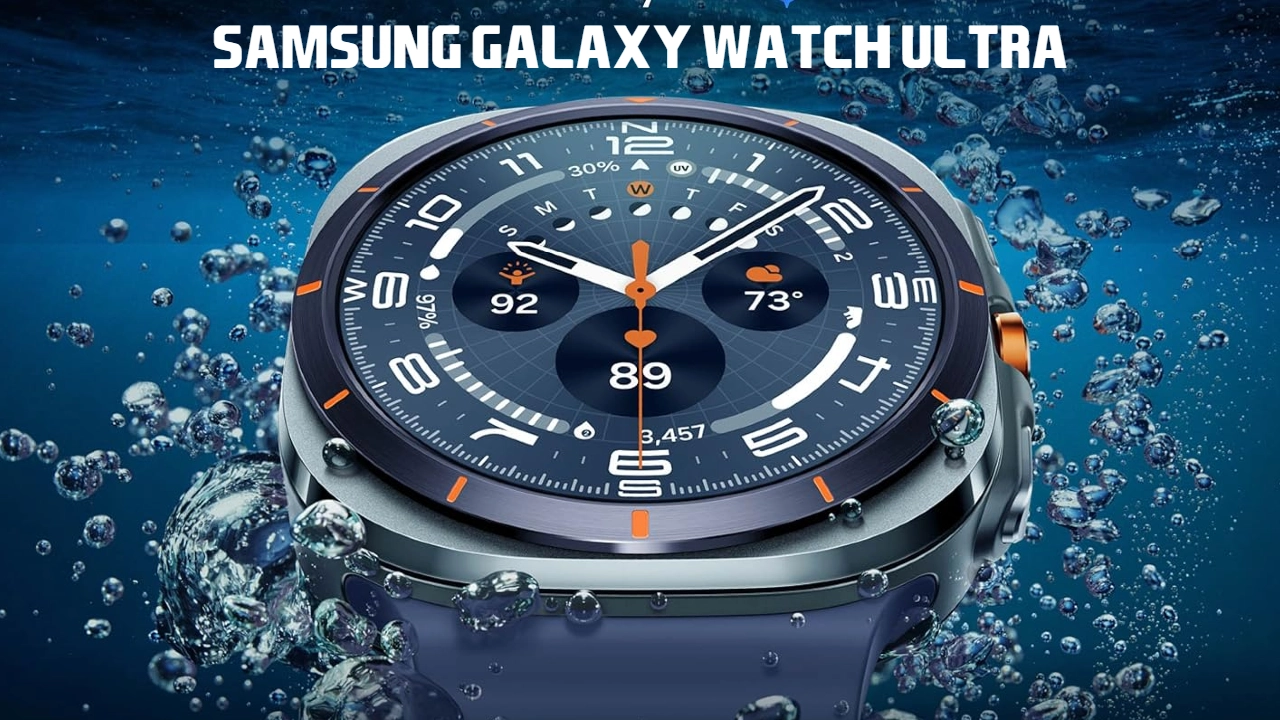
Samsung Galaxy Watch Ultra (2025) LTE 47mm
Best if you want the strongest camera setup, premium build, and the full flagship Samsung experience.
The Samsung Galaxy Watch Ultra (2025) is Samsung’s most advanced and durable smartwatch, featuring a titanium case, LTE connectivity, Galaxy AI features, advanced health tracking, dual-frequency GPS, and the longest battery life in the Galaxy Watch lineup. Built for athletes, adventurers, and power users.
- GPU: Integrated Wear OS Graphics
- CPU: Samsung Exynos W1000 Processor
- Display: 1.47-inch Super AMOLED Display
- Refresh: 60Hz
- RAM: 2 GB RAM
- Storage: 64 GB Internal Storage
- Price: Premium
- Best for: Outdoor Adventures, Running, Hiking, Fitness Tracking, Samsung Users, Health Monitoring
Pros
- Premium titanium construction
- Excellent battery life
- Built-in LTE connectivity
- 64GB internal storage
- Advanced sleep coaching
- Galaxy AI powered Energy Score
Cons
- Premium price
- Large size may not suit small wrists
- Best experience requires Samsung phone
- Some AI features may vary by region
- Limited app support compared to smartphones
First Impressions: It Means Business
Unboxing the Galaxy Watch Ultra (2025) LTE 47mm, the first thing that hits you is the build. This watch feels substantial. The titanium casing isn’t just for show; it gives it a premium, yet incredibly durable feel. It’s definitely on the larger side, so if you’ve got smaller wrists, this might feel a bit imposing. But for its target audience, that size likely translates to a more legible display and a bigger battery, which are usually wins.
The design leans into its ‘Ultra’ moniker. It’s less sleek and more utilitarian, with a prominent bezel and a physical button that’s easier to operate with gloves or when your hands are sweaty. The strap it comes with feels solid too, designed for active use.
Display and Outdoor Visibility: Bright and Clear
Samsung’s AMOLED displays are generally excellent, and the 1.47-inch Super AMOLED on the Ultra is no exception. It’s bright, colors pop, and the 60Hz refresh rate makes scrolling and animations smooth. For outdoor use, which is where this watch is supposed to shine, the brightness is key. Based on the specs, it should be more than capable of cutting through direct sunlight, making it easy to check your stats mid-hike or mid-run without squinting.
Battery Life: The Real Test
This is where Samsung is making a big play. They’re touting the longest battery life in the Galaxy Watch lineup, and for an ‘Ultra’ model, that’s crucial. In daily use, with LTE on, always-on display active, and regular fitness tracking, you’re looking at solid performance. We’re not talking weeks here, but easily getting through a full day and then some is the goal.
Where it really counts is during extended GPS activities. For long hikes or marathons, battery drain is the enemy. The dual-frequency GPS is supposed to help with accuracy but can also be a battery hog. Samsung’s claim of extended battery life during GPS tracking will be the make-or-break for serious adventurers. We’ll need to see how it stacks up against competitors who have been in this rugged game for longer.
LTE Connectivity: Freedom to Roam
The built-in LTE is a significant feature for this watch. It means you can leave your phone behind and still take calls, send messages, stream music, and use data-dependent apps. For runners who want to stay connected but ditch the bulky phone, or for hikers who want to be reachable in emergencies without carrying extra weight, this is a huge plus. Just remember that LTE connectivity will impact battery life, so it’s a trade-off you’ll need to manage.
Health and Fitness Tracking: More Than Just Steps
Samsung has packed the Galaxy Watch Ultra (2025) with sensors. You get the usual heart rate monitoring, ECG, blood oxygen, and body composition analysis. The big additions for 2025 are the AI-powered features, like the Energy Score, which aims to give you a holistic view of your readiness for the day based on sleep, activity, and heart rate variability. It’s an interesting concept, aiming to simplify complex health data into actionable insights.
For fitness, the personalized Running Coach is a standout. It adapts to your performance and provides real-time guidance, which is great for improving your pace and preventing overtraining. The comprehensive tracking for various sports, including swimming and cycling, coupled with the 10ATM water resistance, makes it a versatile fitness companion.
Sleep Tracking and Energy Score: Understanding Your Recovery
Sleep tracking has become a major focus for smartwatches, and Samsung is pushing its advanced sleep coaching. The goal is to go beyond just tracking duration and provide insights into sleep stages and quality. The AI-driven Energy Score ties into this, suggesting how recovered you are and what kind of activities you might be best suited for. While these AI features sound promising, their accuracy and usefulness in the long run will depend on how well they interpret the data and present it to the user. Sometimes, these AI summaries can feel a bit generic.
GPS Accuracy: The Off-Road Test
This is where the dual-frequency GPS needs to prove itself. In dense urban environments or under heavy tree cover, GPS signals can get wonky. Competitors like Garmin have long been the gold standard here. The Galaxy Watch Ultra (2025) promises better accuracy by using multiple GPS frequencies. We’ll need to see real-world comparisons, but the specs suggest it’s built to handle challenging environments where signal reception is difficult.
This is critical for hikers and trail runners who rely on accurate breadcrumbs and location data.
Samsung Galaxy Watch Ultra (2025) LTE 47mm vs. Google Pixel Watch 4 LTE
This is the big Android smartwatch showdown. The Pixel Watch 4 LTE is known for its sleek design and deep Google integration. However, the Galaxy Watch Ultra (2025) clearly targets a different user. While the Pixel Watch 4 might be better for everyday wear and seamless Google Assistant use, the Ultra is built for durability and extreme conditions. The Ultra’s titanium build, significantly larger battery capacity (based on its positioning), and more rugged feature set make it the obvious choice for outdoor enthusiasts.
The Pixel Watch 4, on the other hand, might appeal more to those who prioritize a minimalist aesthetic and Google ecosystem integration.
Samsung Galaxy Watch Ultra (2025) LTE 47mm vs. Apple Watch Ultra
The Apple Watch Ultra has been the king of the rugged smartwatch hill for a while. The Samsung Galaxy Watch Ultra (2025) is Samsung’s direct answer. The comparison is inevitable. Both offer premium titanium builds, large, bright displays, and a suite of advanced health and fitness features. The key differentiator here, for many, will be the operating system and phone compatibility.
If you’re an iPhone user, the Apple Watch Ultra is the only real choice. For Android users, the Galaxy Watch Ultra (2025) offers a compelling alternative. Based on specs, the Samsung might offer a slight edge in internal storage (64GB vs. Apple’s typical offering) and potentially battery life in certain scenarios, though Apple’s ecosystem optimization is hard to beat. The real-world performance of Samsung’s dual-frequency GPS and AI features will be the deciding factor for many.
Pros and Cons
| Pros | Cons |
|---|---|
| Premium titanium construction | Premium price |
| Excellent battery life | Large size may not suit small wrists |
| Built-in LTE connectivity | Best experience requires Samsung phone |
| 64GB internal storage | Some AI features may vary by region |
| Advanced sleep coaching | Limited app support compared to smartphones |
| Galaxy AI powered Energy Score | |
| Dual-frequency GPS | |
| 10ATM water resistance | |
| Personalized Running Coach | |
| Comprehensive health tracking | |
| Fast performance with Wear OS | |
| Bright outdoor-friendly display |
Who Should Buy It?
This watch is squarely aimed at the serious athlete and the outdoor adventurer. If you’re a runner, hiker, cyclist, or someone who spends a lot of time outdoors and needs a device that can withstand the elements while providing solid tracking and connectivity, the Galaxy Watch Ultra (2025) LTE 47mm is a strong contender. Android users, especially those with Samsung phones, will find the best integration here.
Professionals who need a durable, feature-rich smartwatch with LTE for on-the-go connectivity will also appreciate its capabilities.
Who Should Skip It?
If you have a smaller wrist, the 47mm size might be a dealbreaker. If you’re looking for a more discreet or lifestyle-focused smartwatch, this probably isn’t it. Users who don’t need LTE or advanced outdoor tracking features might find it overkill and better served by a less expensive, standard Galaxy Watch model or another smartwatch. Also, if you’re deeply embedded in the Apple ecosystem, you’ll want to stick with the Apple Watch Ultra.
Frequently Asked Questions
What makes the Samsung Galaxy Watch Ultra (2025) different from other Galaxy Watches?
The Ultra model is built with a much more durable titanium casing, features a larger battery for extended use, includes dual-frequency GPS for improved accuracy in challenging environments, and is designed with a more rugged aesthetic and features like a physical action button, making it suitable for extreme outdoor activities.
Is the Samsung Galaxy Watch Ultra (2025) good for swimming?
Yes, with 10ATM water resistance, the Galaxy Watch Ultra (2025) is suitable for swimming and other water sports. It can track your swims and monitor related health metrics.
Does the LTE version require a separate data plan?
Yes, the LTE functionality on the Galaxy Watch Ultra (2025) LTE model requires an active cellular plan from your mobile carrier, typically an add-on to your existing smartphone plan.
How does the battery life compare to competitors?
Samsung is touting industry-leading battery life for the Galaxy Watch Ultra (2025) within the Galaxy Watch line. Based on its positioning and the inclusion of a larger battery and dual-frequency GPS, it aims to compete directly with other premium rugged smartwatches, offering extended usage during daily tasks and GPS-intensive activities.
Final Verdict: A Tough Contender Arrives
Samsung has clearly put a lot of thought into the Galaxy Watch Ultra (2025) LTE 47mm. It’s a serious piece of hardware built for serious use. The titanium construction, impressive display, and the promise of long battery life and accurate GPS make it a compelling option for anyone who needs a smartwatch that can handle more than just a trip to the office. The AI features like the Energy Score add an interesting layer for health-conscious users.
While the price is undoubtedly premium, and it’s best suited for Android users (especially Samsung phone owners), it finally gives Samsung a true competitor in the high-end rugged smartwatch market. If you’re an outdoor enthusiast or an athlete who demands durability and advanced features, this watch deserves a very close look. It’s not just an upgrade; it’s a different beast altogether for a different kind of user.
Leave a Reply