Deezer’s New Remix Feature: Artist Consent is Key, But What’s the Catch?
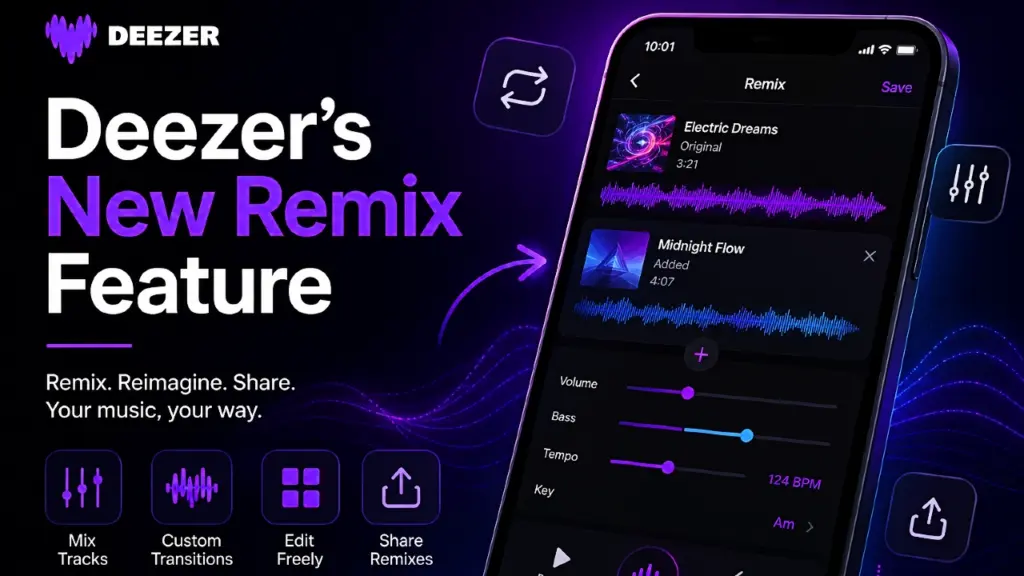
Streaming platforms are constantly looking for ways to deepen user engagement. Deezer, a major player in the music streaming world, has announced a new feature that could significantly alter how fans interact with music: the ability to remix songs. What sets this apart from previous, often legally murky, fan-made remixes is Deezer’s stated commitment to obtaining artist consent for each track made available for remixing.
Quick Take
Deezer is introducing a remix tool that prioritizes artist approval, aiming to legitimize fan-driven music creation. While a positive step for artist rights, the practical rollout and user experience will determine its true impact.
What This Means
For years, aspiring producers and enthusiastic fans have used various software and online tools to create their own versions of popular songs. These unofficial remixes often circulate on platforms like SoundCloud or YouTube, but their legal standing can be precarious, relying on fair use arguments or simply flying under the radar of copyright holders. Deezer’s approach attempts to formalize this process.
By requiring artists to explicitly opt-in to have their tracks available for remixing, Deezer aims to create a controlled environment where fan creativity is encouraged without infringing on intellectual property rights. This means any song you see with a remix option has received a green light from the original artist or their label.
Why It Matters
This development is significant for several reasons. Firstly, it acknowledges the immense creative energy of music fans. Many listeners don’t just want to consume music; they want to play with it, reinterpret it, and make it their own. Providing a legitimate outlet for this creativity can foster a more vibrant and interactive music ecosystem. Secondly, it addresses a long-standing tension between fan expression and artist compensation.
By building consent into the core of the feature, Deezer is attempting to ensure that artists are acknowledged and potentially compensated for their work being remixed. This could set a precedent for how other platforms handle user-generated content that directly modifies existing copyrighted material. It’s a move that could potentially unlock new revenue streams or promotional opportunities for artists, allowing their music to be explored in novel ways.
In a market saturated with music, giving artists more control over how their work is adapted and shared, while simultaneously empowering fans, is a delicate balancing act. Deezer’s attempt to navigate this could be a blueprint for future music platform innovations. It also aligns with broader trends in the creator economy, where tools that enable user participation and co-creation are becoming increasingly valuable.
Practical Impact for Readers
For music fans who enjoy tinkering with audio, this feature could mean access to a library of songs they can legally remix. Imagine being able to experiment with different tempos, add new instrumental layers, or create mashups, all within the Deezer app, knowing that the artists involved have given their blessing. This could lead to a more personalized listening experience and a deeper connection with the music you love.
For aspiring DJs and producers, it might offer a new way to build a portfolio and gain exposure, provided the remixes can be shared or showcased.
For artists and labels, it presents an opportunity to engage with their audience on a different level, potentially discover new talent, and even generate new versions of their tracks that could find a life of their own. It could also be a way to keep catalog music fresh and relevant in the streaming era.
Limitations, Risks, and Unanswered Questions
While the concept is promising, several questions remain. The scope of the remixing tools themselves is not detailed. Will users have access to individual stems (vocals, drums, bass, etc.), or will it be more akin to simple editing of the full track? The level of creative freedom will heavily depend on the sophistication of the tools provided. Furthermore, the success of this feature hinges on artist adoption.
Will a critical mass of artists and labels consent to their tracks being remixed? The process of obtaining consent for every track could be administratively complex for Deezer and potentially slow down the rollout of remixed content. There’s also the question of how these remixes will be shared or monetized, if at all. Will they remain within the Deezer ecosystem, or can users export them? If they can be shared externally, what are the terms and conditions?
The practical implementation of consent management is also a crucial detail. How will Deezer track and manage these permissions at scale? What happens if an artist initially consents but later withdraws it? These are complex legal and technical challenges that will need solid solutions.
Key Facts
- Deezer is introducing a new feature that allows users to remix songs.
- The feature requires explicit artist consent for each track before it can be remixed.
- This aims to legitimize fan-created remixes and respect artist rights.
- The tools and extent of creative control offered to users are not yet fully detailed.
- Artist adoption and the practicalities of consent management are key factors for the feature’s success.
Frequently Asked Questions
Will I be able to remix any song on Deezer?
No, you will only be able to remix songs for which the artist or label has given explicit consent through Deezer’s new feature.
What kind of remixing tools will be available?
The specifics of the remixing tools have not yet been fully detailed by Deezer. The extent of creative freedom will depend on the sophistication of these tools.
How will this affect artists?
It provides artists with a new way to engage with fans and potentially see their music reinterpreted, while maintaining control over which tracks are available for remixing.
Is this feature available now?
The article does not specify an exact launch date, but it is a new feature announced by Deezer.
Leave a Reply