Microsoft’s Two-Decade Water Strategy: Balancing Cloud Growth with Environmental Responsibility
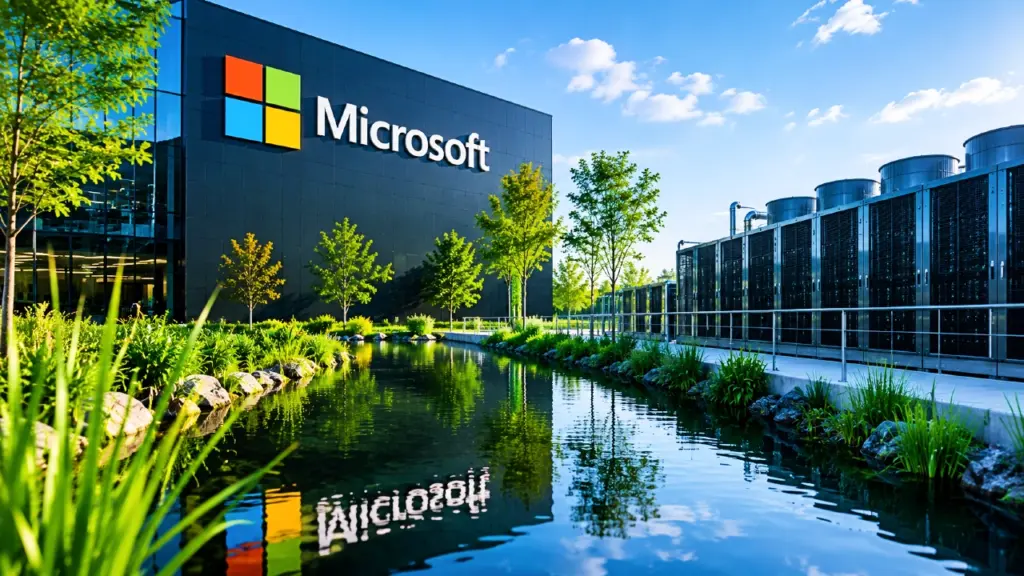
Microsoft’s Long Game: Water Stewardship in the Age of AI
The insatiable appetite for cloud computing and artificial intelligence services means data centers are no longer just background infrastructure; they are central to our digital lives. As these facilities proliferate, so does scrutiny from communities concerned about their impact on local resources, especially water. Microsoft is highlighting a two-decade effort to tackle this head-on, a period marked by significant growth in its data center footprint and an equally significant push to reduce its water intensity.
Quick Take
Microsoft has been proactively working on reducing its water usage intensity relative to its data center operations for over 20 years. This long-term strategy is becoming increasingly critical as cloud and AI demand escalates, placing greater strain on water resources globally. The company’s approach involves a multi-faceted strategy, but the true impact and future scalability remain key questions.

Cloud Service Benchmarking: Measuring Quality of Cloud Services from a Client Pe

Expert AI Services: Lebensläufe / Briefe, Schriften, Programmieren, digitale Fähigkeiten
What This Means
For two decades, Microsoft has been integrating water stewardship into its data center development and operations. This isn’t a new, reactive measure but a sustained, strategic priority. The company’s blog post outlines a commitment that began in the early 2000s, predating much of the current public discourse on data center water usage. This long-term perspective suggests a fundamental understanding within Microsoft that environmental impact, particularly water consumption, is intrinsically linked to business growth and public perception.
The core of their strategy appears to revolve around reducing the amount of water consumed per unit of computing power. This is crucial because while Microsoft aims to expand its data center capacity to meet the burgeoning demand for cloud and AI, it also seeks to do so without a proportional increase in water usage. This concept of ‘water intensity reduction’ is key – it’s not about a flat reduction in water use, which would be impossible with expansion, but about becoming more efficient.
The implications are far-reaching. For Microsoft, it’s about operational efficiency, risk mitigation (water scarcity can impact operations), and corporate social responsibility. For the industry, it serves as a case study, demonstrating that long-term planning for resource management is not only possible but necessary. For communities near data centers, it offers a potential model for how large-scale digital infrastructure can coexist with local environmental concerns.
Why It Matters
The relentless growth of cloud services, accelerated by the demands of AI, presents a significant challenge to global water resources. Data centers are notoriously water-intensive, primarily for cooling. As these facilities become more powerful and numerous, the strain on local water supplies, especially in water-stressed regions, intensifies. Microsoft’s narrative of a 20-year commitment to reducing water intensity offers a counterpoint to the often-negative headlines about data center water usage.
It suggests that technological innovation and strategic planning can mitigate, though perhaps not eliminate, these environmental impacts.
This sustained focus is important because it frames water stewardship not as a compliance issue or a PR stunt, but as a fundamental business imperative. The early integration of this priority suggests Microsoft recognized the long-term risks associated with water scarcity and the reputational damage of being seen as a major water consumer without a corresponding mitigation strategy.
This proactive stance, if genuinely effective, could set a precedent for the entire tech industry, which is under increasing pressure to demonstrate environmental responsibility.
Furthermore, the sheer scale of Microsoft’s operations means that even marginal improvements in water intensity can translate into substantial real-world water savings. As the company continues to invest heavily in AI infrastructure, the efficiency gains from its long-term water strategy become even more critical. It’s a necessary balancing act: enabling the digital future while safeguarding essential natural resources.
Practical Impact for Readers
For most people, this news might seem distant, but it has tangible implications. The continued availability and affordability of cloud services, including those powering AI applications, depend on the ability of data centers to operate sustainably. If data centers face water-related restrictions or escalating water costs, these could eventually translate into higher service prices or limitations on service availability.
Moreover, a company’s commitment to environmental stewardship can influence purchasing decisions for businesses and even individual consumers who prioritize sustainability. Understanding that Microsoft has a long-standing strategy to manage its water footprint provides a data point for evaluating its corporate responsibility. It also highlights that the infrastructure supporting our digital tools is not without environmental cost, encouraging a more informed perspective on technology consumption.
For IT professionals and businesses relying on cloud infrastructure, this underscores the importance of understanding the sustainability practices of their cloud providers. It’s becoming a factor in vendor selection and risk assessment, ensuring that the digital backbone of their operations is also environmentally sound.
Limitations, Risks, and Unanswered Questions
While Microsoft’s announcement highlights a commendable long-term commitment, several questions remain. The blog post provides a high-level overview, but specific metrics and detailed methodologies for achieving water intensity reduction are not fully elaborated. What are the precise water-saving technologies being deployed? How is ‘water intensity’ defined and measured across such a vast and diverse global infrastructure?
The source material mentions ‘water-positive’ goals, but the timeline and specific targets for achieving these are not detailed. Achieving water positivity – returning more water to the environment than is consumed – is an ambitious goal, and the path to it requires rigorous transparency and demonstrable progress.
Furthermore, the article does not look at the specific challenges faced in different geographical regions. Water scarcity varies dramatically, and a one-size-fits-all approach to water stewardship may not be effective. How does Microsoft adapt its strategy to highly water-stressed areas versus regions with abundant water resources?
Finally, while the focus is on water intensity, the overall water withdrawal and consumption figures for Microsoft’s data centers, especially in absolute terms, are not prominently featured. Understanding the absolute water footprint alongside the intensity reduction is crucial for a complete picture of the environmental impact. The rapid growth of AI, in particular, is expected to drive significant increases in energy and water consumption for the specialized hardware involved, and the long-term sustainability of this is a critical, ongoing concern for the entire industry.
Key Facts
- Microsoft has prioritized water stewardship in its data center operations for over two decades, beginning in the early 2000s.
- The company aims to reduce its water intensity as demand for cloud and AI services grows.
- Water stewardship is considered a core part of Microsoft’s operational strategy.
- Communities are increasingly interested in how data center infrastructure impacts local water resources.
- Microsoft is working towards water-positive goals, though specific timelines and metrics are not fully detailed in the provided excerpt.
Frequently Asked Questions
What is Microsoft’s approach to water usage in its data centers?
Microsoft has been focused on reducing water intensity relative to its data center operations for over twenty years. This means striving to use less water per unit of computing power, even as its overall data center capacity expands to meet growing demand for cloud and AI services.
Why is water usage by data centers a concern?
Data centers require significant amounts of water, primarily for cooling. As the demand for digital services, especially AI, grows, so does the number and size of data centers, placing increasing pressure on local water resources, particularly in areas already facing water scarcity.
What does ‘water intensity reduction’ mean in this context?
Water intensity reduction means improving efficiency by using less water to perform the same amount of computational work. It’s a strategy to enable growth in services without a proportional increase in water consumption.
Is Microsoft aiming to be ‘water positive’?
The company states it is working towards water-positive goals, which means returning more water to the environment than it consumes. However, the provided information does not detail specific targets or timelines for achieving this.
Sources Used
Suggested Cluster Topics
- The Future of AI and Its Environmental Footprint
- Data Center Cooling Technologies: Innovations and Challenges
- Water Scarcity: A Growing Threat to the Tech Industry
- Corporate Sustainability Reporting: What to Look For
- Microsoft’s Azure Cloud: Growth, Services, and Environmental Impact
- Balancing Innovation and Resource Management in the Digital Age
Leave a Reply